
When Marketing Budgets Eclipse Entire Studio Valuations
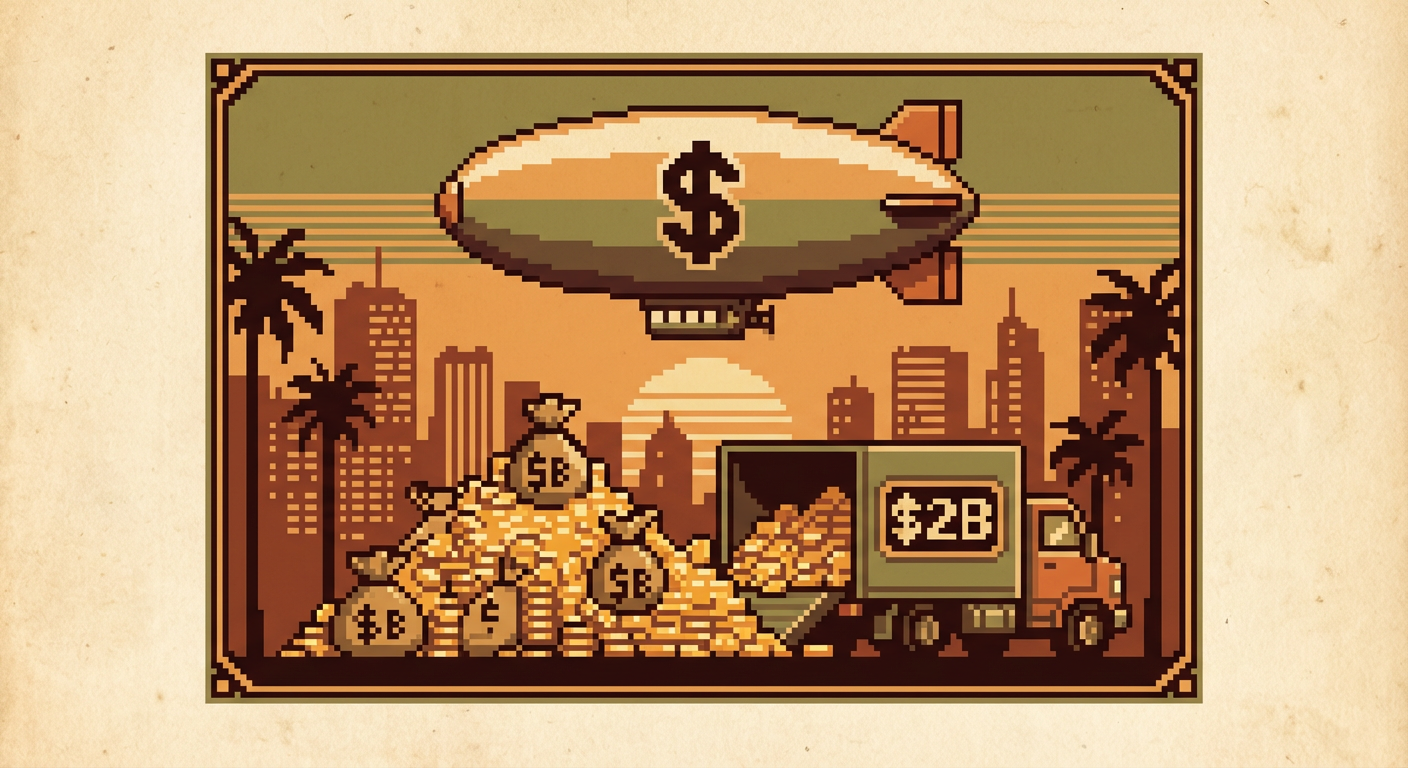
Take-Two Interactive just dropped a number that should make every gaming enthusiast pause and consider what we’ve become as an industry. According to their Take-Two Interactive investor relations February investor call, they’ve allocated two billion dollars for Grand Theft Auto VI’s marketing campaign. That’s not a typo. Two billion with a B, officially making this the largest marketing spend in entertainment history.

To put this in perspective, that marketing budget alone could fund approximately forty mid-tier indie studios for an entire decade. It’s more money than most countries spend on their annual arts and culture budgets combined. When I think about all the brilliant small developers struggling to get their passion projects noticed on Steam, this figure feels almost obscene.
The pre-order numbers tell us exactly why Take-Two feels confident throwing around this kind of money. Within seventy-two hours of the announcement, they secured 23.4 million pre-orders, translating to $1.6 billion in guaranteed revenue before the game even hits shelves. The machine is working exactly as intended, but at what cost to the broader gaming ecosystem?
The Death of Local Gaming and What It Means for You
Here’s where things get genuinely concerning for anyone who values gaming preservation and accessibility. GTA VI clocks in at 180GB and requires mandatory cloud streaming components to function. This marks the first major AAA title to completely abandon the possibility of local-only storage and gameplay. If you’re someone who likes to revisit games years later, or if you live in an area with inconsistent internet, this should worry you.
The implications go far beyond storage space. This cloud dependency basically means Rockstar has permanent control over your access to the game. No more playing offline during internet outages. No more guaranteed access if servers shut down in fifteen years. No more modding communities that have kept previous GTA titles alive and thriving long past their official support windows.
This isn’t just about technical requirements. It’s a fundamental shift in how we define game ownership. When I can still boot up my original copy of GTA: Vice City from 2002 and lose myself in that neon-soaked world, I’m reminded of what we’re potentially losing with this always-online future.
The Content Factory Approach to Game Development
Rockstar’s commitment to this title goes well beyond launch, and the numbers behind their approach reveal just how dramatically the industry has shifted. They’ve hired 340 additional developers across eight studios specifically for GTA VI’s ongoing content development through 2030. The Rockstar Games development blog details how this is the largest single-game development team in gaming history.
This massive workforce expansion signals that GTA VI isn’t being designed as a traditional game with a beginning, middle, and end. Instead, it’s being built as a live service platform designed to generate revenue for the next decade. While this approach has proven successful with GTA Online, it fundamentally changes what we can expect from the single-player experience that made the series legendary.
The focus on perpetual content creation also raises questions about developer welfare and creative sustainability. When you’re committing hundreds of developers to a single project for potentially ten years, you’re basically betting the entire studio’s creative future on one vision remaining commercially viable across an entire decade of cultural and technological change.
Premium Pricing Tiers That Redefine “Expensive”
The pricing structure for GTA VI is another concerning milestone in the industry’s march toward maximum revenue extraction. Early access pricing tiers range from $89.99 for the standard edition up to $299.99 for the Premium Edition, which includes ten years of guaranteed content updates. For context, that premium price point equals the cost of approximately fifteen indie games, or three years of a major streaming service subscription.
What troubles me most about this pricing strategy isn’t just the numbers themselves, but what they say about who gaming companies believe their audience is. These prices assume a customer base with significant disposable income and a willingness to make substantial financial commitments to single entertainment products. It’s a far cry from the accessibility that made gaming such a democratizing force in entertainment.
The ten-year content guarantee sounds appealing on paper, but it also locks players into a decade-long relationship with a single game. This approach discourages the kind of diverse gaming diet that exposes players to innovative mechanics, unique art styles, and experimental narratives from smaller developers who rely on players having budget left over after their major gaming purchases.
What This Means for Gaming’s Future
The success or failure of GTA VI’s economic model will likely influence industry practices for the next console generation. If these astronomical marketing spends and premium pricing tiers prove profitable, we can expect other major publishers to follow suit. This creates a gaming landscape increasingly divided between mega-budget spectacles and scrappy independent alternatives, with very little middle ground for mid-tier developers.
The cloud-streaming requirement also sets a precedent that other publishers are undoubtedly watching closely. If players accept this level of digital rights management without significant pushback, we may be looking at the beginning of the end for truly offline gaming experiences from major studios.
For players, this presents a choice about what kind of gaming future we want to support with our dollars. Do we accept that the biggest, most marketed games deserve the majority of our gaming budgets and attention? Or do we maintain space in our gaming habits for the weird, wonderful, and innovative experiences that can only emerge when developers aren’t beholden to recouping billion-dollar investments?
I’d love to hear your thoughts on this shift in gaming economics. Are you planning to dive into GTA VI’s premium experience, or are you as concerned as I am about what this trend means for gaming diversity? Drop your perspective in the comments and let’s figure out how to navigate this new landscape together.