The Battery Inside Your Childhood Is Dying Right Now
Here is something that probably keeps you up at night if you own Game Boy Advance cartridges: the small coin cell battery inside each one is actively failing. The CR2032-equivalent batteries that power the real-time clock and save data on GBA carts were designed to last between 15 and 20 years. The golden age of Game Boy Advance production spanned 2001 through 2004. Do the math. We are not approaching a crisis. We are inside it.
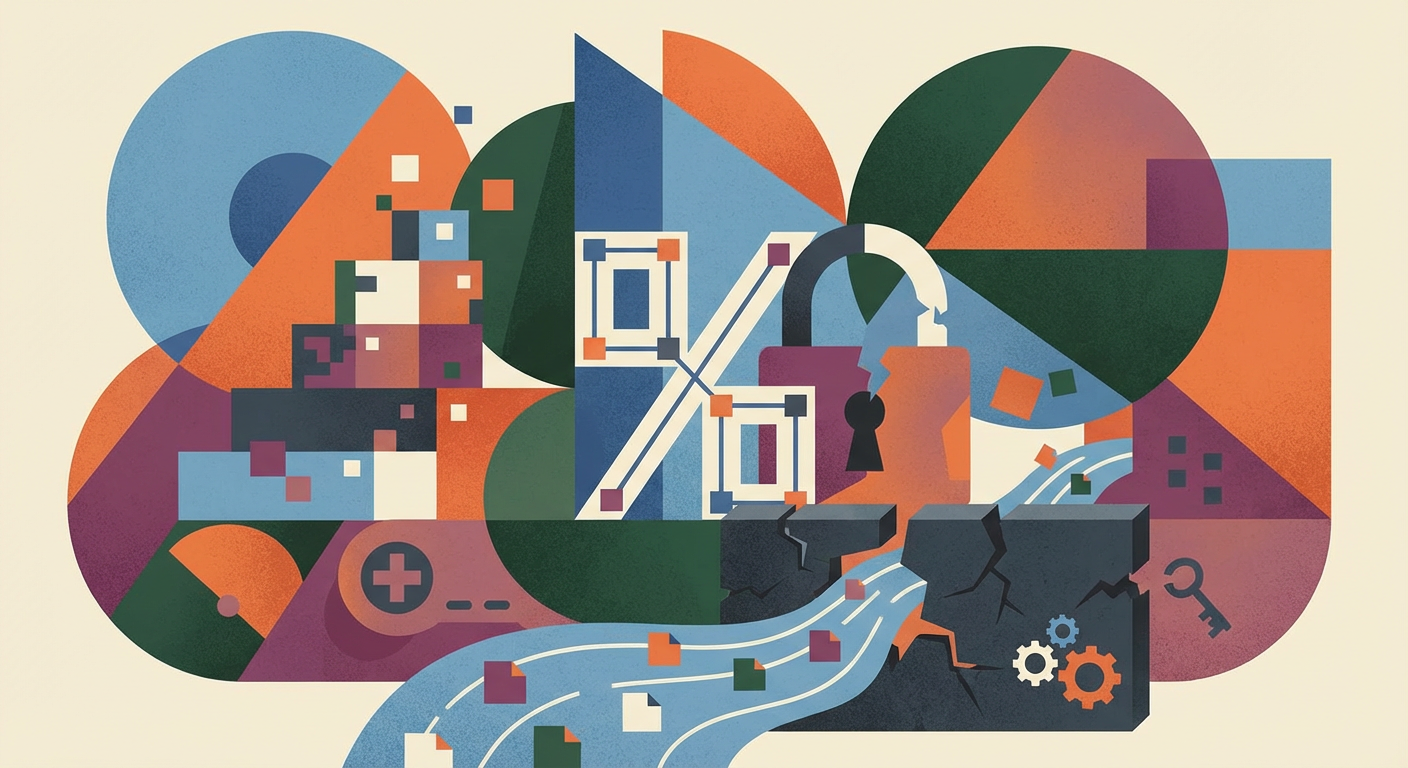
When these batteries die, your save files do not just disappear into some digital void where they might be recovered later. They vanish. Permanently. A cartridge of Pokémon Emerald or Golden Sun: The Lost Age that you paid 60 to 120 dollars for on the secondhand market becomes a hollow shell, a read-only museum piece of game code without the living memory of your adventures embedded inside it. Those games were built around exploration and long-term engagement, and that whole design collapses when the save data is gone.
Why Nobody Saw This Coming Until Now
Part of the reason this crisis feels invisible is that the video game industry has spent decades pretending preservation is not their problem. According to research by the Video Game History Foundation preservation advocacy efforts documented in their 2023 study, 87 percent of all classic video games are out of print and commercially unavailable. Think about that number. Nearly nine out of every ten games ever released exist in a legal gray zone where you cannot buy them through legitimate channels, where the original hardware has been discontinued, and where the corporations that own the IP have moved on to the next console generation.
The GBA situation is particularly bad because Nintendo has shown zero interest in re-releasing these titles digitally in any comprehensive way. The Virtual Console is gone. The Nintendo Switch Online library of classic games remains embarrassingly sparse. Individual cartridge owners have become the de facto archivists of their own collections, and most of them have no idea what that means. When a save file dies, a piece of gaming history dies with it.
The Legal Walls Are Going Up, and They Are Staying Up
Things accelerated dramatically in the summer of 2023 when Nintendo launched takedown notices against the Dolphin emulator team, succeeding in removing the project from Steam. That was not just a legal victory for Nintendo. It was a signal to the broader preservation community that the company was willing to push harder than ever before. The chilling effect was immediate. Community-driven ROM preservation efforts intensified precisely because people understood that windows of opportunity were closing.
That window narrowed even further in March 2025. The Internet Archive, which has hosted millions of game ROMs as part of their preservation mission, faced a landmark U.S. Court of Appeals ruling that legal scholars argue will directly restrict the legality of game ROM libraries hosted for preservation purposes. The Internet Archive legal defense updates make clear that the organization is preparing for a protracted legal battle. Whether they win or lose, the message is unmistakable: preservation through digital means is under sustained legal attack. The DMCA Section 1201 restrictions that the Video Game History Foundation continues to lobby against in Congress show no signs of loosening. If anything, they are tightening.
What This Means for Your Collection Right Now
If you own original Game Boy Advance cartridges and you have save files you actually care about, 2025 is genuinely the last year where you should expect to be able to do something about it without running into significant legal friction. Backup devices exist. The GBA cartridge reader market has exploded precisely because people understand the stakes. Tools like the Retrode or specialized cartridge dumpers allow you to extract your save files and create permanent digital copies. These tools exist in a legal limbo that could change at any moment, especially in light of the March 2025 court ruling affecting the Internet Archive.
The economics here are worth examining too. Games like Pokémon Emerald and Golden Sun: The Lost Age are selling for 60 to 120 dollars in cartridge-only condition on the secondhand market as of early 2026. That price reflects more than nostalgia. Collectors are paying premium prices because they understand the scarcity. These are not being manufactured anymore. The save data inside each cartridge is a finite resource with an expiration date. When those batteries fail, cartridges become less desirable, less valuable, and less likely to be preserved by future collectors.
Design Craft Deserves Better Than Planned Obsolescence
What gets lost in the policy discussions is the actual craft of game design. The GBA era represented something worth paying attention to: a period when developers were forced to work within strict technical constraints, and that constraint actually produced better design. Games like Golden Sun used the cartridge format as a storytelling device. The save system was not an afterthought. It was integral to the experience. When you powered off that cartridge, your progress remained embedded in hardware. That was not a bug. That was the design itself.
To lose save files through battery death is to watch the artifact degrade while the industry does nothing. Nintendo could re-release these games. They could facilitate battery replacements. They could acknowledge that these cartridges are cultural artifacts worth preserving. Instead, they protect their intellectual property while the actual games rot in drawers and collections across the world.
The 2025 preservation window is closing. Game design is a craft. The GBA library represents some of the finest examples of that craft ever produced. Preserving those games, including the save data that gives them meaning, is not about nostalgia. It is about recognizing that these things have value beyond their commercial viability. If you have GBA cartridges with saves you want to keep, this is the moment to act on that impulse. Next year might feel very different.