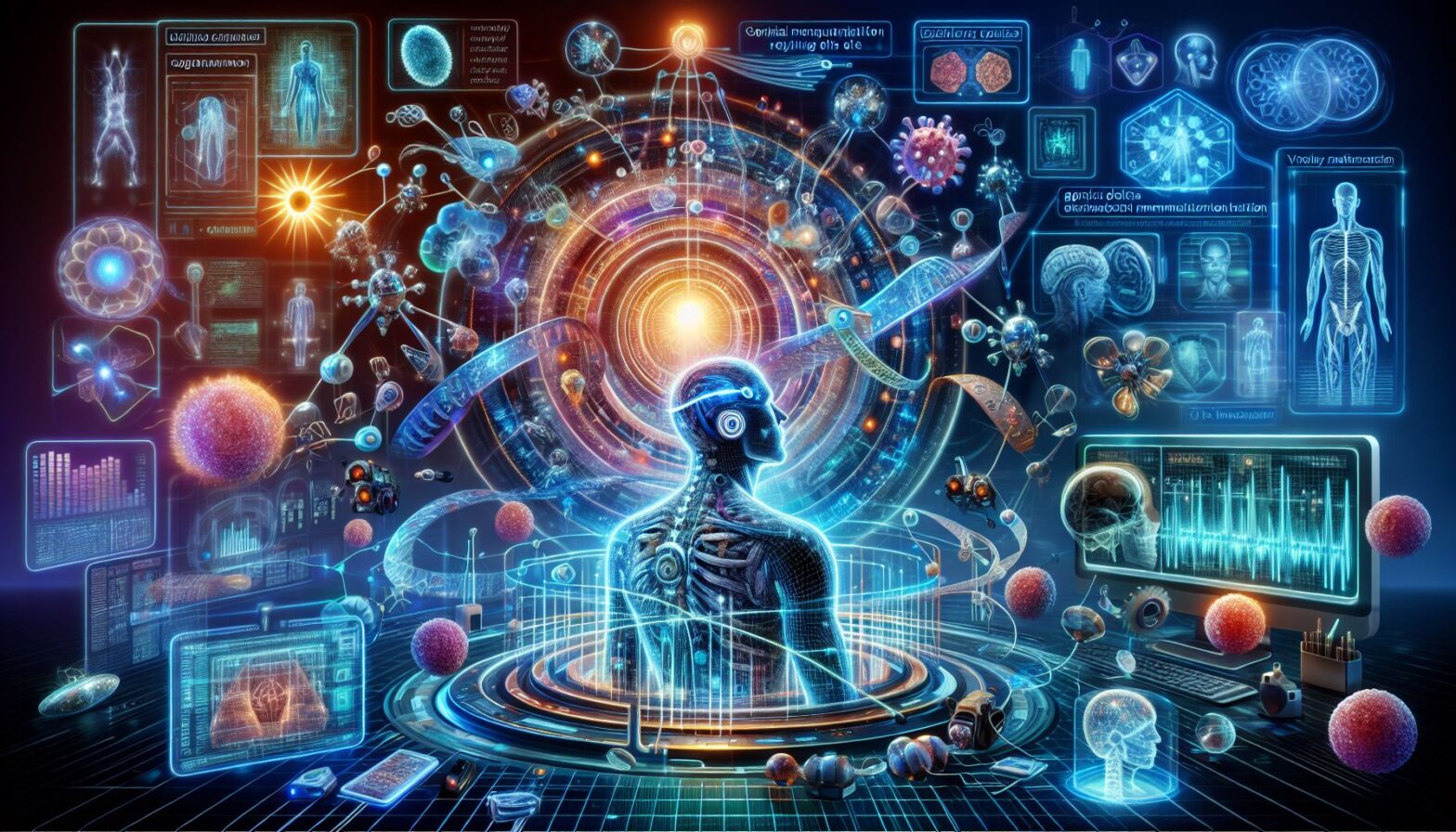
Oh, longevity! The grand quest to kind of, sort of, live forever. Okay, maybe not forever, but you know, for a really long time. It’s an alluring dream, spurred on by the whispers of countless sci-fi tales and now, the very real advances of technology. The wonder isn’t just about how long we can stretch out our days like melted mozzarella cheese on pizza but how we can actually stay energetic and, dare I say, youthful. Today, let’s embark on this techno-utopian journey into the weird and sometimes downright bizarre world of longevity technology.
A Glimpse into the Fountain of Youth 2.0
First things first, what’s shaking up the longevity scene? Spoiler alert: it’s not just fancy creams or questionable herbal supplements. We’re talking hard-core science backed by emerging tech. We’re seeing breakthroughs in gene editing with tools like CRISPR that hold the potential to eradicate diseases before they ever lay siege to our poor bodies. Last month’s buzz was all about how researchers, in their lab-coated glory, used CRISPR to reverse aging in mice. Admittedly, I’d prefer it if breakthroughs came from guinea pigs, just for the name, but I guess mice will do.
Biometrics and the Age of Quantified Living
Let’s get wearable, shall we? If you thought your smartwatch was just for counting steps, think again my friend. The latest stream of biometric devices does a lot more than buzzing reminders when you’ve sat too long. They dig deep, gathering oceans of data about your stats, everything from your heart rate variance (is it my lack of cardio or those three cups of coffee?) to blood oxygen levels and even stress markers (thanks, office deadlines).
This trove of data is our treasure map to longevity. It guides us to optimize health by spotting anomalies faster than I can finish a bag of chips at midnight. And in the grand dreamscape of the future, all this data would nicely funnel into AI systems that’ll probably send health alerts with a quasi-benevolent reminder to put away the potato chips.
The Rise of Personalized Medicine
Ah, personalized medicine. Here’s a hot topic at the water cooler. And for good reason. It’s like the bespoke suit of healthcare, entirely tailored to your genetic makeup. Imagine heading to your doctor (or more likely, pinging them through VR since that’s probably where we’re headed) and getting prescriptions or lifestyle changes specifically honed for just you, based on your unique genetic code.
On that twist, novel startups are partnering with genetic companies looking to turn this idea into a reality. The big win here, beyond the “my genes are better than yours” banter, is the potential to nip illnesses in the bud before they even manifest. Longevity’s not about age; it’s about health. Living longer but weaker? Nah, pass.
Robots, Nanobots, and Underdog Bots
Let’s not forget the metallic marvels in this saga. Robotics is making waves in healthcare, and I’m not just talking about the cute soda-fetching bots. These are precision surgical robots and nanobots potentially cruising through your bloodstream to combat diseases at their roots. I know what you’re thinking: Are they akin to the microscopic submarines from those old sci-fi flicks? In essence, yes. Sort of. Ask again in a decade.
Bear in mind, the real (speculative) jackpot with these bots is they’ll fight current ailments and possibly repair age-related damage. Goodbye, arthritis. Adieu, pesky plaque buildup.
The So-Called Societal Shift: The Utopian or Dystopian Dip?
So, if we tinker around and tap into all this longevity tech, stretch out life spans to the point where people are using “quarter-life crisis” without a hint of irony, what happens then? Cue the existential reflections. Many foresee a newly minted utopia filled with experience-rich octogenarians scaling mountains or rocking sleek business suits at their 90th birthday party.
Some do rightly warn, there could be massive societal shifts where retirement ages would stretch, wealth gaps might widen (because, of course, early adopters might be the affluent), and maybe, just maybe, the world figures out how to adjust to a generation no longer willing to “age gracefully.”
Speculating the Future: Longevity’s Infinity and Beyond
Here’s my blue-sky speculation phase, clouded in optimistic haze. With AI analyzing vast datasets, coupled with genome breakthroughs and robotic deliverance, the result might be a society where the concept of aging becomes fluid, almost archaic, and the focus turns from treatment to thriving.
Will generations from now speak of when octogenarians were the exception rather than the rule? Maybe. Only time, ironically, will tell.
Conclusion
That’s what’s on today’s techno-utopian horizon: an alluring cocktail of science, tech, and a dash of human chutzpah pushing boundaries. If these longevity breakthroughs hold, prepare your calendars for an era where aging becomes rare, health becomes more personalized than your Spotify playlist, and I get to witness my great-great-grandchildren marveling at how heartrending their ancestor’s penchant for midnight snacking really was. Cheers to the journey!